School of Broadcasting and Communication Highlights
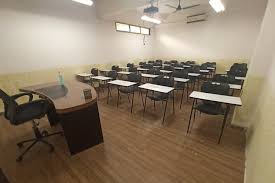
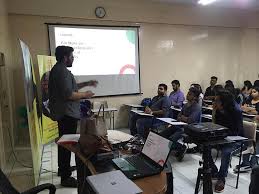
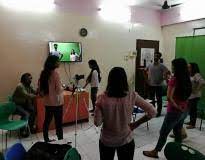
School of Broadcasting and Communication of Broadcasting and Communication Studies delivers expansive learning in the media, journalism, and communication fields. It employs well-experienced faculty members coming from different industry sectors. Modern studios, labs, and digital support are the main pieces of the infrastructure of the school in order to build a more practical learning environment. The school arranges media houses and other industry experts to come to the school on different occasions like workshops and guest lecturing to be with them as supporters. The campus located in a very convenient city area is just a few steps away from media centers.
Here are the key highlights of the School of Broadcasting and Communication
|
Feature
|
Details
|
|
Established
|
2002
|
|
Location
|
Mumbai
|
|
Governance
|
Autonomous / affiliated with University or Board
|
|
Faculty
|
Experienced faculty from media and communication
|
|
Infrastructure
|
Studios, labs, libraries, and digital resources
|
School of Broadcasting and Communication Courses and Fees 2025
School of Broadcasting and Communication provides a variety of undergraduate, postgraduate, certificate, and diploma courses in communication and media studies. Programs can be 6 months to 3 years long and also freely be selected to the chosen level and field of specialization. Entry requirements (except for the general conditions) allow those who passed their 10+2 exams to apply to undergraduate courses and to those who hold a relevant bachelor degree to apply postgraduate courses. Fees correspond to the program chosen and are usually reasonable and a complete fee schedule is put forth once a year. At the same time, students who are eligible can win various scholarships and financial support is also possible for them.
Here are the School of Broadcasting and Communication Studies Courses and Fees details:
Program | Duration | Eligibility | Fees (Approximate) |
Bachelor in Communication | 3 years | 10+2 pass with minimum marks | ₹8200 per year |
Master in Communication | 2 years | Bachelor’s degree in relevant field | ₹7900 per year |
Diploma / Certificate Programs | Varies | Varies | ₹6300 to ₹7400 |
School of Broadcasting and Communication Popular Programs 2025
School of Broadcasting and Communication's most popular programs include the Bachelor of Arts in Communication, the Master of Arts in Journalism, the Diploma in Broadcast Journalism, and the Certificate courses in Digital Media. The focus of these programs is not only to provide students with theoretical knowledge, but it also involves offering practical skills as well. A majority of the courses offer practically acquired experience delivered through different modes of internships and media projects. The curriculum is updated regularly to ensure the courses are in line with current industry trends and technology. These courses mainly target students who have a dream of working in the TV, radio, digital media, and/or public relations sector.
Here are the popular programs of the School of Broadcasting and Communication
Program Name | Description |
Bachelor of Arts in Communication | Undergraduate degree in communication studies |
Master of Arts in Journalism | Postgraduate specialization in journalism |
Diploma in Broadcast Journalism | Short-term professional training |
Certificate in Digital Media | Skill-based certification program |
School of Broadcasting and Communication Application Process 2025
In the majority of cases the application process at School of Broadcasting and Communication starts in early 2025 by making online forms accessible through the school's official website. It is necessary for the candidates to submit educational records, photos, and other required documents. In some cases, the programs also need the students to take a test or to be physically present for an interview. The last date for applying is generally mid-year, followed by the publishing of the merit list and the counseling sessions. The candidates are required to pay their fee and do document verification for the admission to be confirmed.
Here is the application process of the School of Broadcasting and Communication
Step | Timeline / Details |
Application Start Date | (e.g., February 2025) |
Application End Date | (e.g., May 2025) |
Entrance Exam / Interview | Details of any entrance test or interview if applicable |
Document Submission | List of documents required |
Counselling / Seat Allocation | Procedure and timeline for counselling |
School of Broadcasting and Communication Admission 2025
Admission at the School of Broadcasting and Communication is granted on the basis of merit that is a combination of the marks obtained in the qualifying exams, the scores in the entrance test, and if needed, the scores in the interviews. For example, first-degree programs should have had 12 years of education and then those who had appeared for the entrance test also being selected. The postgraduate courses expect the candidates' graduation from a related field and also with a minimum of marks. The government bestows the school with the right to decide and follow the state's policies in favor of the reserved groups if the school so wishes. The final list of those who have been selected will be made known with the official notification, and the candidates who have been selected must fulfill the formalities in order to retain their seat.
Here are the School of Broadcasting and Communication Admission details:
Program | Eligibility Criteria | Selection Process |
Undergraduate | 10+2 with minimum percentage | Merit-based / entrance test |
Postgraduate | Relevant bachelor’s degree | Merit-based / interview |
Diploma / Certificate | Based on qualifying exam or merit | Direct admission or interview |
School of Broadcasting and Communication Cutoff 2025
School of Broadcasting and Communication is thoroughly common that different programs and categories have diverse ranges of cutoff percentages which are usually affected by the number of applicants. Normally, SC/ST students have the lowest percentage of marks as compared to BC/General category students in a particular selection process while some colleges may offer reservation or minority quota in it. The cutoff declaration depends mainly on the application scrutiny and the entrance test result. Fulfilling the cutoff is the necessary condition for taking part in the counseling and seat allotment process. Applicants can now get the latest information of the cutoffs charts by visiting the school’s off... (SPICY/CC 3.0)
Here are the cutoffs at the School of Broadcasting and Communication
Program | Category | Cutoff Percentage / Rank |
Undergraduate | General | XX% / Rank (if entrance test) |
Reserved | Relaxed cutoff criteria |
Postgraduate | General | XX% |
Reserved | Relaxed cutoff criteria |
School of Broadcasting and Communication Placement 2025
The School of Broadcasting and Communication's placement cell and its industry connections are the means through which the school provides the students with placement assistance. The students have not only been able to get internships but also jobs in the best media companies, broadcasting channels, and PR agencies. Payroll packages, on average, are attractive and vary with the areas of jobs. The training for the placement is not only academic but also soft skills. The alumni have also found careers in the areas of journalism, digital media, advertising, and corporate communications to their liking.
Here are the placements of the School of Broadcasting and Communication
Aspect | Details |
Placement Cell | Yes/No (mention if present) |
Top Recruiters | Media houses, TV channels, PR firms, digital agencies |
Internship Opportunities | Offered during course duration |
Alumni Success Stories | Notable placements and career growth |
School of Broadcasting and Communication Scholarship
The School of Broadcasting and Communication has a wide range of scholarships which are available based on the student's academic performance, financial need, and reserved categories. Merit-based scholarships, for instance, are given to students who have always demonstrated outstanding academic performance. Need-based scholarships are provided to those students who come from low-income families and need help in paying for tuition. Those students who qualify may also get financial aid in the form of government scholarships or private scholarships. These scholarships are not only monetary rewards but also a source of support that eventually helps students to pursue their career paths.
Here is the School of Broadcasting and Communication Scholarship
Scholarship Name | Eligibility Criteria | Benefits |
Merit-based Scholarship | High academic performance | Tuition fee waiver / stipend |
Need-based Scholarship | Financial need verified | Partial fee waiver |
Special Category Grants | Reserved categories, sports quota | Fee concession |
Government Scholarships | As per government schemes | Tuition fee reimbursement |
 Mumbai, Maharashtra
 Colleges
 2002
2002
 UGC, AIU, ACU
 Notification


![Dev Bhoomi Uttarakhand University - [DBUU], Dehradun](https://cdn.universitykart.com//Content/upload/admin/lsfohlb4.1j1.png)




 back
back